
Manuka Honey Benefits, Types and Uses: The Complete Guide
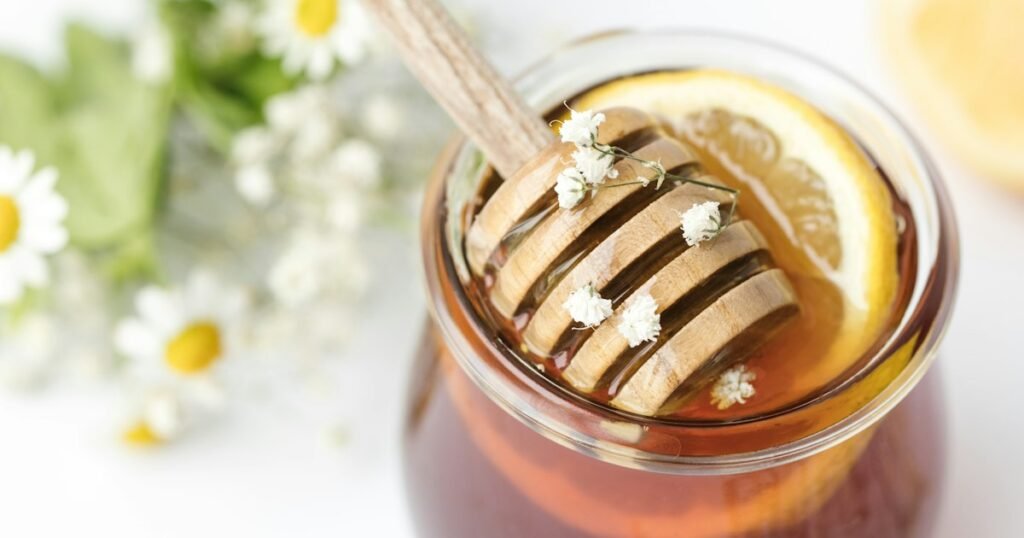
Manuka honey isn't ordinary honey. It comes from the nectar of a single tree that grows in New Zealand, and it contains a natural compound called MGO that you won't find in the same amount in any other honey. That's why it has become one of the most sought-after honeys in the world. In this guide we cover Manuka honey benefits, andits types, and how to use it properly.
If you'd like to know more about the tree it comes from, also read Manuka tree and its flower.
What Makes Manuka Honey Special?
All honey has antibacterial properties, but in most honeys they rely on a compound that breaks down quickly with heat and light. Manuka honey is different: it contains methylglyoxal (MGO), which is stable and not easily affected. The higher the MGO number on the jar, the stronger the honey.
That's why jars show numbers like MGO 115+ or UMF 10+. We explain the difference in detail in our MGO vs UMF guide.
What's in Manuka Honey?
Like any natural honey, Manuka is mostly natural sugars (fructose and glucose) and a little water. The difference is the special compounds it contains:
- MGO (methylglyoxal): the compound behind its antibacterial strength.
- Leptosperin: a natural compound found only in Manuka nectar, which labs use to confirm the honey is real Manuka.
- Natural antioxidants , plus small amounts of minerals.
Manuka honey benefits
Here are the best-known Manuka honey benefits, along with what the research says:
1. For the throat and cough
Honey in general is one of the oldest ways to soothe a sore throat and cough, and some health bodies recommend it for mild coughs instead of cough medicines. Manuka honey combines a thick texture that coats the throat with its MGO. The best way: let a teaspoon melt slowly in your mouth, or stir it into warm (not hot) water.
2. Year-round immune support
Many families make a spoonful of Manuka part of their daily routine, especially in winter. Honey is a natural source of energy and contains antioxidants. It's no substitute for healthy food and good sleep, but it's a lovely addition to your routine.
3. A natural antibacterial
Lab studies have shown that high-grade Manuka honey stops the growth of many types of bacteria, which is why hospitals use a special sterile medical grade in wound and burn dressings. Note: the honey you eat isn't the same as sterile medical honey, so deep wounds must be seen by a doctor.
4. For the stomach and digestion
There are early studies on Manuka honey and stomach health, and the results are encouraging but still limited. If you have a stomach condition or take medication, check with your doctor before relying on it. We've also covered this topic in detail on Instagram @manukabh.
5. For the skin
Some people use it as a natural face mask for 10 to 15 minutes, as it moisturises and is antibacterial. Try it on a small area first, especially if you have sensitive skin.
Types of Manuka Honey
Manuka honey is classified by strength (grade), and also by form.
1. By grade
| Grade | Best for | From our range |
|---|---|---|
| MGO 115+ to 263+ | Daily use, breakfast, tea | Manuka Health MGO 115+ and MGO 263+ |
| MGO 400+ | The family, immune support and the throat | Manuka Health MGO 400+ |
| MGO 573+ | Stronger use, tired days | Manuka Health MGO 573+ and Haddrell’s MGO 573+ |
| MGO 850+ to 1200+ | The highest grade, small amounts | MGO 850+ and Haddrell’s MGO 1200+ |
Not sure which to choose? We also have a guide to choosing the right grade.
2. By form
- Honey in a jar: the classic choice for home.
- Single-serve sachets: for work, travel and the gym, such as Manuka Health travel sachets and Haddrell’s sachets.
- Lozenges: for your throat on the go, such as Manuka lemon lozenges and Haddrell’s lozenges.
How to Use Manuka Honey
This is the method we recommend to our customers. We use a dessert spoon (bigger than a teaspoon, smaller than a tablespoon):
1. For immune support
- dessert spoon on an empty stomach in the morning is enough.
- You can add a second dessert spoon at night.
2. For digestive support
- One dessert spoon before breakfast.
- One dessert spoon before lunch.
- One dessert spoon before dinner.
Keep to three spoons a day until you feel better, then cut down to two, and then to one dessert spoon in the morning on an empty stomach. If the pain continues or is severe, see a doctor.
3. For general use (throat, tiredness, cooler months)
- Two dessert spoons: one in the morning on an empty stomach, and one in the evening.
- Adding a third spoon is even better.
Tips for Using and Storing It
- Don't add it to boiling water: let your tea or water cool a little, as high heat affects its quality.
- Use a dry spoon every time.
- Store it in a cool room no warmer than 25°C, away from light and sunlight, and don't put it in the fridge 👍🏼
Ideas for Adding Manuka Honey to Your Food
- With yoghurt or oats at breakfast, with a few nuts.
- On toast instead of jam or sugar.
- In a smoothie with banana and milk or plant-based milk.
- In a salad dressing with olive oil and lemon.
- With tea or warm water once it has cooled a little, not while it's boiling.
Important Notes
- Babies under one year: must not be given any kind of honey, including Manuka.
- Diabetes: Manuka honey is a natural sugar, so ask your doctor about the right amount.
- Allergies: avoid it if you're allergic to honey or bees.
- Manuka honey is a nourishing food, not a treatment or a substitute for medicine.
How Can You Tell Your Honey Is Real?
There's a lot of fake Manuka honey on the market, so make sure the jar shows a clear MGO or UMF number and is packed in New Zealand. We cover every sign in our guide to spotting real Manuka honey.
All our products are original and imported from New Zealand, with delivery across Bahrain and shipping to the GCC. Browse our products, or Message us on WhatsApp and we'll help you choose.